

BioFlux has worked with R3 as their project design lead, go-to-market strategist, and certification partner since the beginning of the project in Namibia. We started with an assessment of whether R3’s objective to transition from charcoal to biochar was feasible.
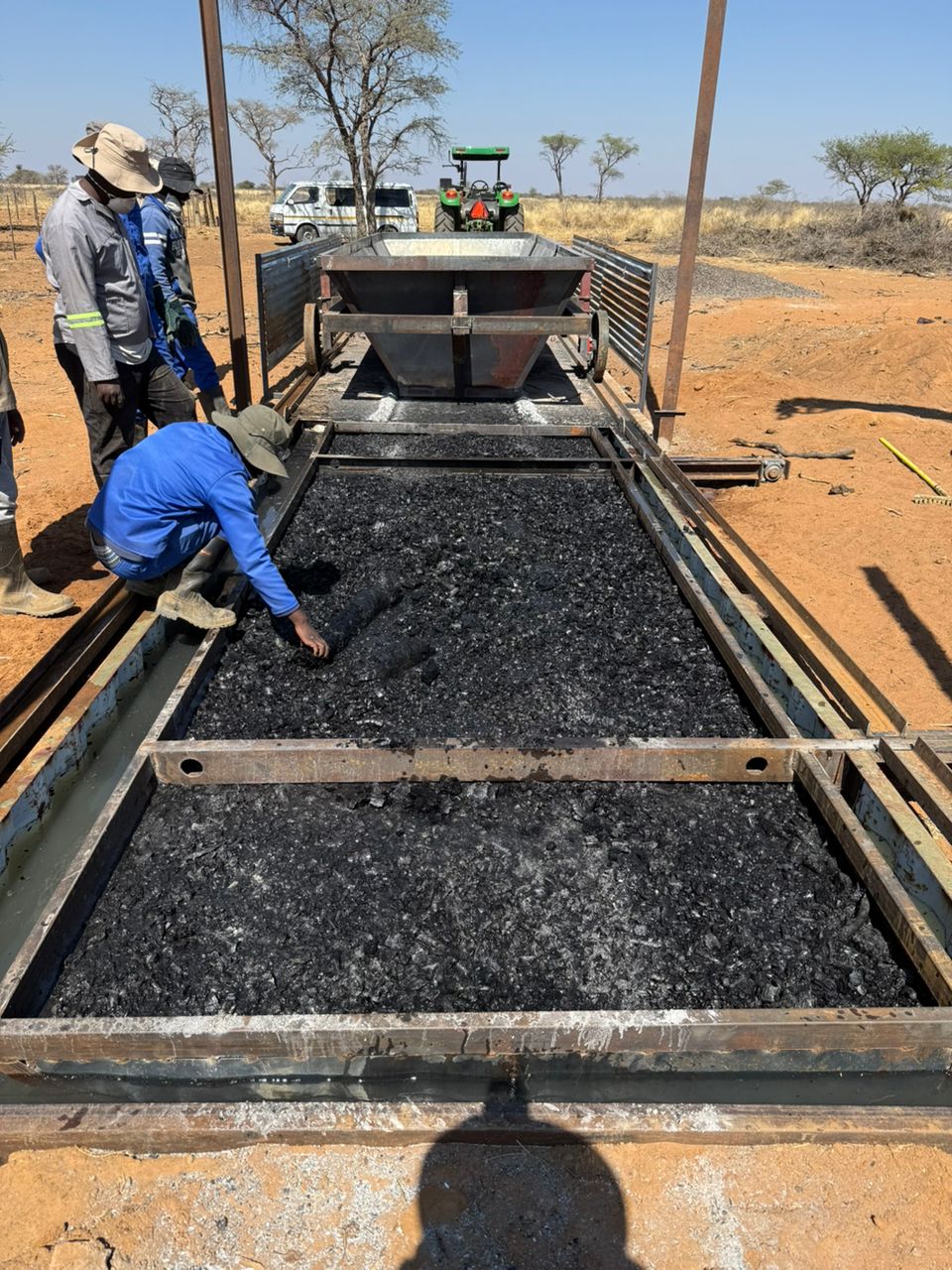
Our main role from the beginning involved getting them through certification and consulting on each aspect of the project, including the ideal Kon-Tiki Kiln to use. We also brainstormed in relation to logistics, explored biochar application possibilities, and prepared for auditing.
The secondary phase of the project involves commercialisation. A key component of this phase involves transitioning R3 from a decentralised artisanal project to industrial production. Setting the foundation of this transition is essential to scale up to an industrial facility and certify under an industrial methodology. BioFlux will be working with R3 through each step of this next phase.
Ultimately, the project aims to retire 250,000+ tons of CO₂, restore 50,000+ acres of savannah, and create 800+ jobs.
Tackling Invasive Species
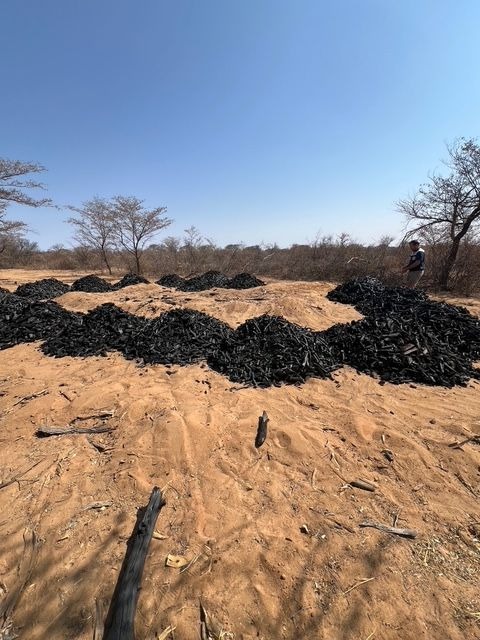
The main objective of the project is invasive species management. Namibia has suffered from severe savannah loss due to encroaching bush. Acacia melifera is the biomass we’re working with due to its suitability for use as charcoal. From an environmental point of view, using it as feedstock is valuable because it helps combat bush encroachment while also fighting increased desertification and loss of savannah land.
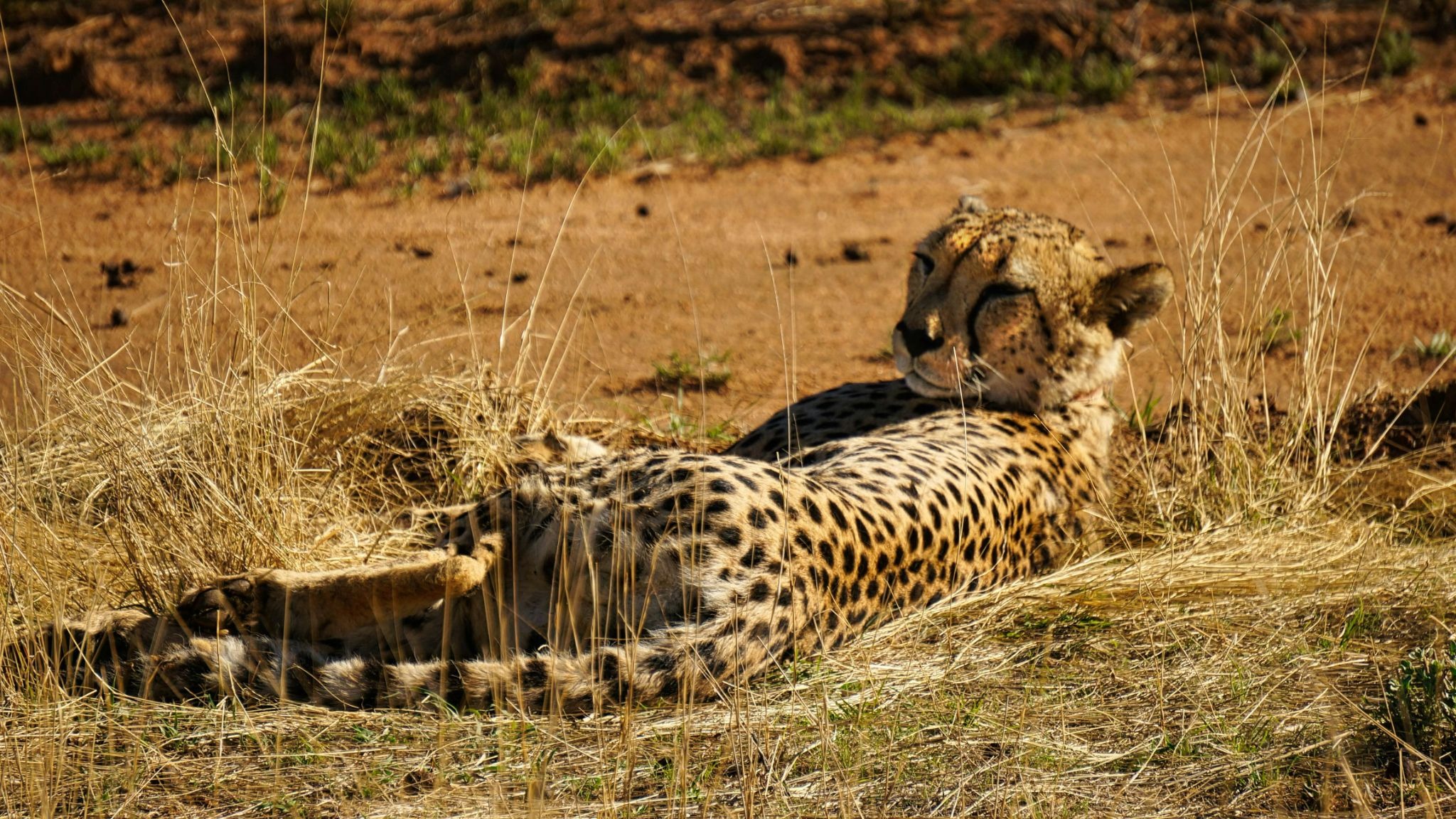
Acacia melifera’s contribution to the loss of grasslands and desertification also has devastating implications for highly threatened species, including cheetahs. Acacia melifera is an incredibly dense bush with an extreme growth rate, which makes it particularly damaging to natural habitats and has a devastating downstream impact on ecosystem dynamics. The bush also takes away water and nutrients that should be available for smaller grasses and bushes.
Full Circle of Restoration
By using this type of invasive bush for biochar and reapplying it to the land, we’re able to achieve a full circle of restoration. Moving away from infertile sandy soils that are caused by bush encroachment and re-greening large areas of land is the ultimate long-term goal and represents a powerful example of biochar’s many co-benefits.
R3’s large farmlands with orchards, onion plantations, and livestock offer the opportunity to use biochar in their agricultural activities. Currently, biochar is being used with cow manure before being reapplied to their fields.
Feedstock Rooted in Necessity
Bush encroachment driven by Acacia melifera is an established and well-documented land management challenge across Namibia, meaning clearing activity occurs independent of any carbon market incentive.
Using Acacia melifera as biochar feedstock and thereby turning it into a permanently stable carbon sink prevents it from being burned openly. This positions the project’s additionality argument on solid ground as the intervention is redirecting unavoidable land management byproducts toward measurable climate and ecological benefits.
Undoing Historical Wrongdoing
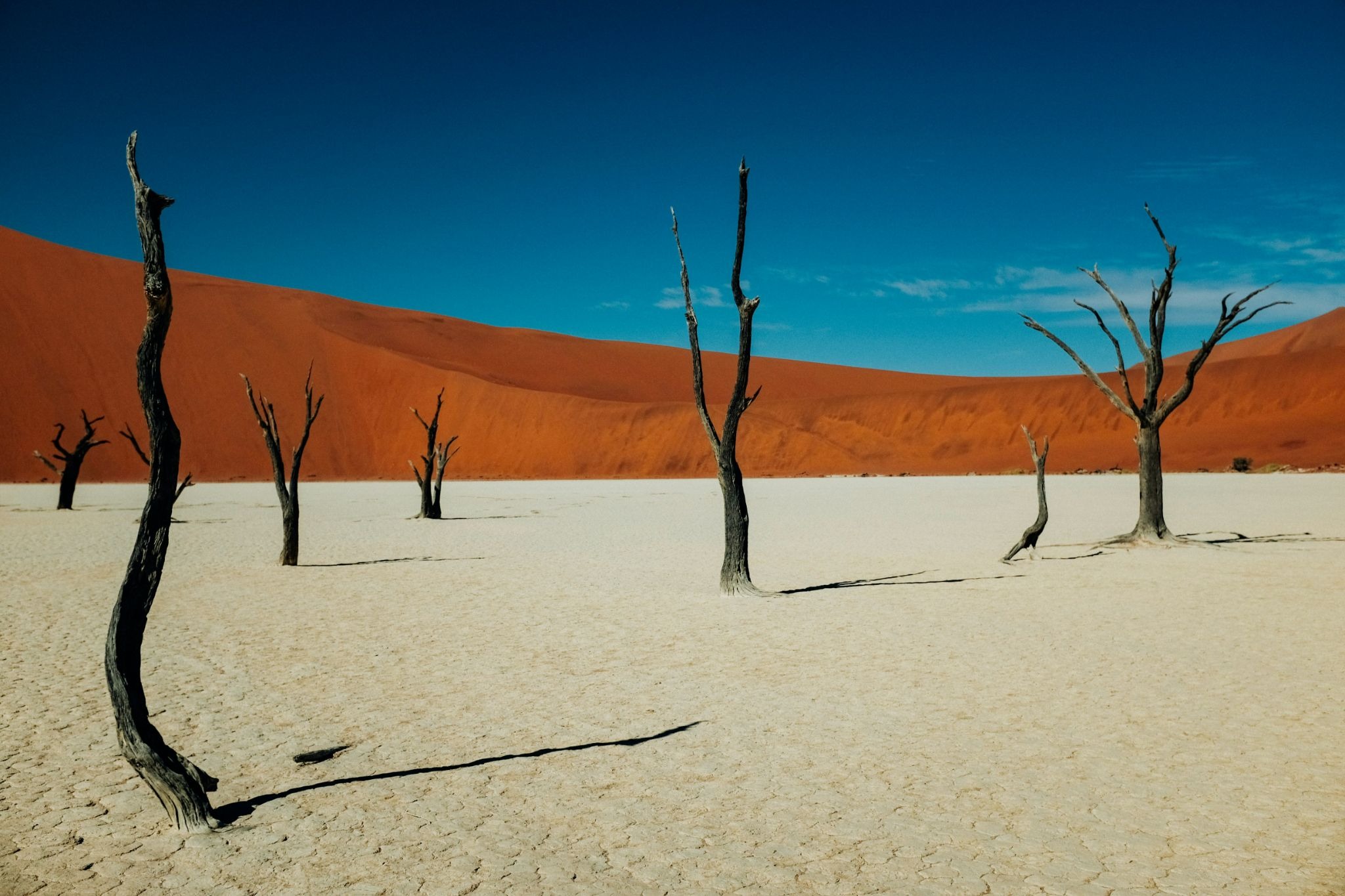
It’s worth noting the broader historical context in relation to the desertification of Namibia. Habitat destruction began due to European colonisation, leading to trees being cut down for charcoal production and land being cleared for cattle grazing. Acacia melifera was itself introduced by colonisers.
One of the goals of the FSC-certified program is to combat an issue that could help with the regeneration of soils, and BioFlux is trying to use the residues from those efforts for biochar production.
Creating Opportunities for Local Communities
The social benefits of the project are as important as the ecological benefits.
One of the main beneficiaries the project seeks to support is the Osire Refugee Settlement, which is home to approximately 7,000 refugees and asylum seekers. The settlement’s refugees include those displaced by ongoing conflict and unrest in countries such as Angola, Burundi, and the Democratic Republic of Congo. In addition, cuts to international aid programs, as well as environmental degradation, have worsened job prospects for residents of the settlement. Our project provides dignified employment and training in biochar production and regenerative agriculture practices. Permanent infrastructure is also being developed to move refugees away from camps and give them stable long-term residence and community.
R3 salaried employees receive, on average, a 23% higher salary than the average of the workers at local refugee camps, making each employee able to support a family.
The Carbon Village Project
R3’s innovative housing and village model is exemplified by The Carbon Village Project, which features sustainable, socially inclusive housing developed with biochar and carbon-smart building materials.
The village is built to be scalable and enhance energy efficiency while fostering entrepreneurship and employment opportunities for local communities.
The vision is to provide an open-source system for replication worldwide.
About Our Partner
R3 Biochar is wholly owned by the Ritter Family, whose commitment to stewardship and conservation is now in its fifth generation. Over the years, the Ritters have been pioneers in sustainable practices, including rangeland conservation, renewable solar energy, and wildlife habitat restoration. Their efforts have been recognized with several awards, notably for their work with the Cheetah Conservation Fund.