


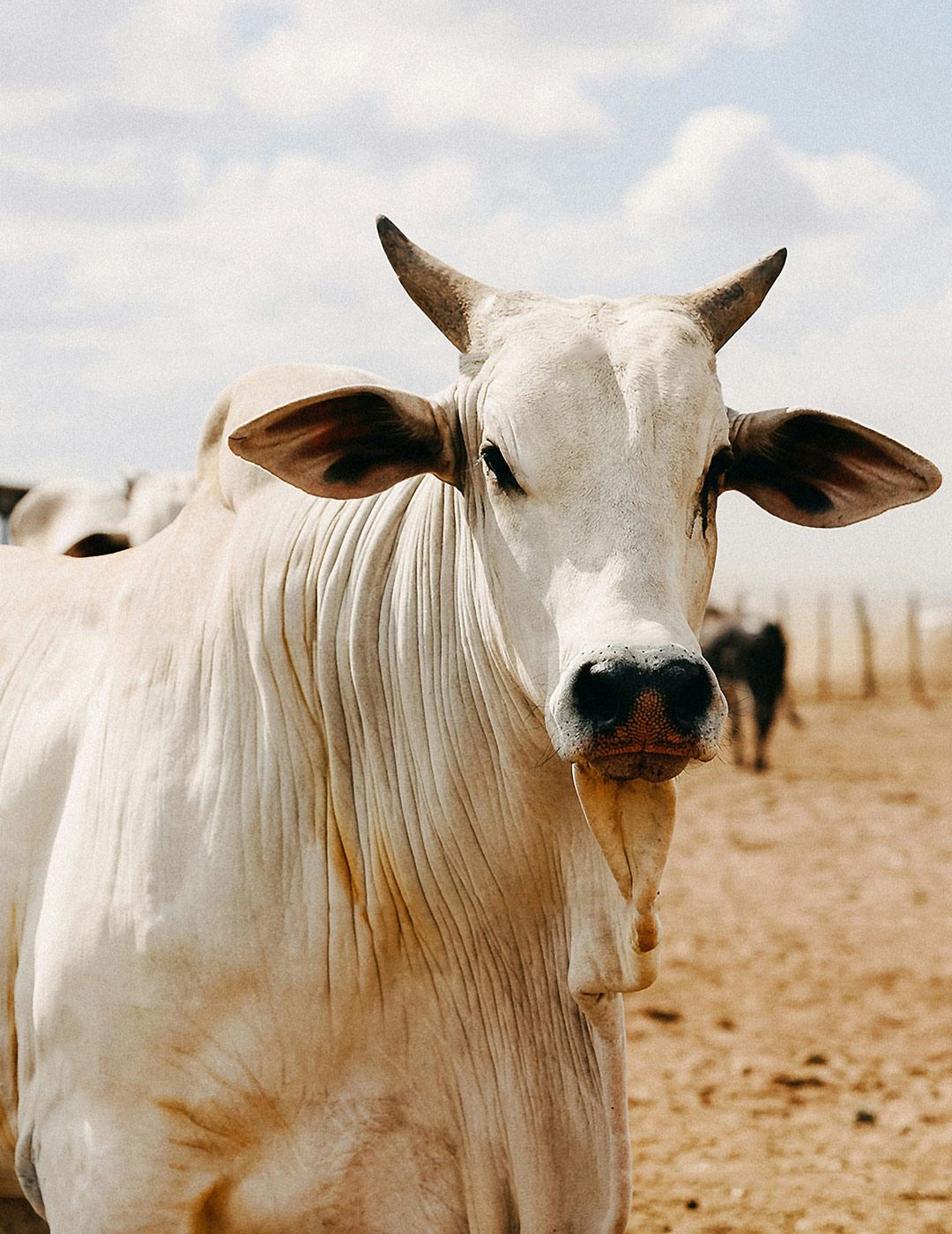

The International Finance Corporation partnered with Zambeef, one of Africa's largest agribusinesses, to assess converting livestock manure into biochar at their Zambian farm complex.
We evaluated over 30,000 tonnes of annual manure from feedlots, dairy barns, and poultry operations. We contacted 13 pyrolysis suppliers globally and developed detailed models for three technologies, projecting over 5,000 tonnes of biochar production and up to 3 GWh of annual energy generation.
Financial modelling covered six scenarios with varying assumptions about fertiliser displacement and crop yield improvements.
The study identified substantial barriers to immediate investment. Only eight suppliers globally handle manure-powered reactors. Capital costs ranged from $13 million to $48 million, depending on technology selection. Client requirements to treat biochar and energy purely as cost reductions rather than revenue streams, combined with conservative carbon credit discounting, meant most scenarios showed negative returns.
We recommended field trials before major capital deployment. The two options we recommended were to either purchase biochar externally for 2–3 year agronomic testing on maize and wheat, or to build a smaller pilot unit sourcing from Asian suppliers to validate both production and crop response.
The facility has not moved to construction. However, the work gave IFC and Zambeef technical clarity on financial constraints and validation pathways needed before investment.